Skip to content
  • Partners

Instruments

  • Forex Trading
  • Spot Metals
  • Spot Energies
  • CFD Indices

Social

  • Copy Trading

Accounts

  • Accounts Overview
  • Standard
  • ECN Commission Free
  • ECN
  • Inveslo Premium
  • Demo Trading Account

Conditions

  • Leverage and Margin
  • Contract Specifications
  • Payment Methods

Platforms

  • MetaTrader 4
  • MetaTrader 5

Knowledge Hub

  • Blog
  • Trading Schedule
  • Trading Tools

Trading Tools

  • Pip Calculator
  • Margin Calculator
  • Profit Calculator
  • Trading Calculator
  • World Clock

About Us

  • Who we are
  • Company News
  • Financial Commission Certified
  • License and Certification
  • Contact Us
LoginRegister
Register
Menu
  • Instruments

    • Forex Trading
    • Spot Metals
    • Spot Energies
    • CFD Indices

    Social

    • Copy Trading
  • Accounts

    • Accounts Overview
    • Standard
    • ECN Commission Free
    • ECN
    • Inveslo Premium
    • Demo Trading Account

    Conditions

    • Leverage and Margin
    • Contract Specifications
    • Payment Methods

    Platforms

    • MetaTrader 4
    • MetaTrader 5
  • Knowledge Hub

    • Blog
    • Trading Schedule
    • Trading Tools

    Trading Tools

    • Pip Calculator
    • Margin Calculator
    • Profit Calculator
    • Trading Calculator
    • World Clock
  • About Us

    • Who we are
    • Company News
    • Financial Commission Certified
    • License and Certification
    • Contact Us
  • Partners
LoginRegister
  • Partners

Instruments

  • Forex Trading
  • Spot Metals
  • Spot Energies
  • CFD Indices

Social

  • Copy Trading

Accounts

  • Accounts Overview
  • Standard
  • ECN Commission Free
  • ECN
  • Inveslo Premium
  • Demo Trading Account

Conditions

  • Leverage and Margin
  • Contract Specifications
  • Payment Methods

Platforms

  • MetaTrader 4
  • MetaTrader 5

Knowledge Hub

  • Blog
  • Trading Schedule
  • Trading Tools

Trading Tools

  • Pip Calculator
  • Margin Calculator
  • Profit Calculator
  • Trading Calculator
  • World Clock

About Us

  • Who we are
  • Company News
  • Financial Commission Certified
  • License and Certification
  • Contact Us
  • English
  • Español
  • Português
  • فارسی
  • Tiếng Việt
Register
Menu
  • Instruments

    • Forex Trading
    • Spot Metals
    • Spot Energies
    • CFD Indices

    Social

    • Copy Trading
  • Accounts

    • Accounts Overview
    • Standard
    • ECN Commission Free
    • ECN
    • Inveslo Premium
    • Demo Trading Account

    Conditions

    • Leverage and Margin
    • Contract Specifications
    • Payment Methods

    Platforms

    • MetaTrader 4
    • MetaTrader 5
  • Knowledge Hub

    • Blog
    • Trading Schedule
    • Trading Tools

    Trading Tools

    • Pip Calculator
    • Margin Calculator
    • Profit Calculator
    • Trading Calculator
    • World Clock
  • About Us

    • Who we are
    • Company News
    • Financial Commission Certified
    • License and Certification
    • Contact Us
  • Partners
LoginRegister

Language

  • English
  • Español
  • Português
  • فارسی
  • Tiếng Việt
  1. Home
  2. Blog
  3. Forex
  4. How to Use Economic Calendars in Forex Trading?
Forex

How to Use Economic Calendars in Forex Trading?

IBy InvesloPublished: 9 December 20258 min read
economic calendars in forex
On this page

On this page

  1. What Is an Economic Calendar?
  2. A typical economic calendar includes:
  3. Why Economic Calendars Matter in Forex Trading
  4. Key reasons why an economic calendar is essential:
  5. How to Use an Economic Calendar in Forex Effectively
  6. 1. Identify High-Impact Events
  7. 2. Study Forecast vs. Previous vs. Actual Data
  8. 3. Analyse Currency-Specific Impact
  9. 4. Plan Your Trading Session With It.
  10. 5. Integrate It With Technological Investigations.
  11. 6. Grasped Market Response.
  12. Important Economic Events Every Trader Should Track
  13. Non-Farm Payrolls (NFP)
  14. Consumer Price Index (CPI)
  15. Interest Rate Decisions
  16. GDP (Gross Domestic Product)
  17. Central Bank Speeches
  18. Employment Data
  19. Tips to Use an Economic Calendar Like a Professional
  20. Filter Events Based on Your Trading Style
  21. Avoid Trading Minutes Before Major News
  22. Manage Risk During News
  23. Keep a Trading Journal
  24. Conclusion
  25. FAQs

On this page

  1. What Is an Economic Calendar?
  2. A typical economic calendar includes:
  3. Why Economic Calendars Matter in Forex Trading
  4. Key reasons why an economic calendar is essential:
  5. How to Use an Economic Calendar in Forex Effectively
  6. 1. Identify High-Impact Events
  7. 2. Study Forecast vs. Previous vs. Actual Data
  8. 3. Analyse Currency-Specific Impact
  9. 4. Plan Your Trading Session With It.
  10. 5. Integrate It With Technological Investigations.
  11. 6. Grasped Market Response.
  12. Important Economic Events Every Trader Should Track
  13. Non-Farm Payrolls (NFP)
  14. Consumer Price Index (CPI)
  15. Interest Rate Decisions
  16. GDP (Gross Domestic Product)
  17. Central Bank Speeches
  18. Employment Data
  19. Tips to Use an Economic Calendar Like a Professional
  20. Filter Events Based on Your Trading Style
  21. Avoid Trading Minutes Before Major News
  22. Manage Risk During News
  23. Keep a Trading Journal
  24. Conclusion
  25. FAQs

Share

  • Share on X
  • Share on LinkedIn
  • Share on Facebook
  • Share on Telegram
  • Share on WhatsApp

The forex trading world is a very fast-paced trading environment where each price movement is directly related to the events that happen in the worldwide economic environment. Additional announcements that can immediately impact currency strength are interest rate decisions, inflation reports, job data, and GDP releases. That is why a trader uses an economic calendar to be updated and obtain more reasonable choices. Regardless of your level of experience in forex or whether you are already conversant with the basics of forex, being able to use an economic calendar can help a great deal in terms of timing your entry and exit in the market, as well as risk management. The Inveslo, which is a wealth management and forex trading platform, provides insights to traders, and learning this platform will enable you to create a powerful and strong approach to trading.

What Is an Economic Calendar?

The economic calendar is an online calendar that contains every major financial event taking place in the world. These are economic indicators, policy decisions, government reports, as well as central bank speeches. It is used by traders to keep them informed about the happenings that can affect the currency movements during the day.

A typical economic calendar includes:

  • Name of the event (e.g., Interest rate decision)
  • Country
  • Time of announcement
  • Previous data
  • Market forecast
  • Actual released data
  • Anticipated level of impact (low, medium, high)

This makes it essential for daily trading news review and for strategizing your market approach with precision.

Why Economic Calendars Matter in Forex Trading

Forex markets move based on anticipation and reactions to news events. Significant announcements, such as the NFP, unemployment rates, and inflation reports, can lead to sudden reactions that often create price volatility within minutes of the release of the data.

Key reasons why an economic calendar is essential:

  • Avoiding unexpected price movements due to high-impact news.
  • Understanding the mood of the market based on how traders view economic news reports.
  • Improving the timing of your trades when entering or exiting the market based on economic calendar events.
  • Managing risk during high-impact news announcements more effectively by using the calendar to determine which news is most important.
  • Building good trade habits through the process of structuring your approach to the market.

If there is no economic calendar available to traders, they will have to depend only on technical analysis based solely on price charts, which could provide a less predictable result when a piece of news hits the market. This is why following forex news and market updates is crucial.

How to Use an Economic Calendar in Forex Effectively

1. Identify High-Impact Events

Most forex trading platforms and financial websites categorise events according to their impact. The events that have the most significant impact (indicated by red or bold font) can cause a big shift in the prices of currency pairs. These are interest rate decisions, NFP (Non-Farm Payrolls), inflation reports (CPI), and GDP announcements being the most common ones.

You should check these events every trading day beforehand and decide if they will have an impact on the currency pairs you will trade.

2. Study Forecast vs. Previous vs. Actual Data

There are three numbers for every economic event:

  • Previous: The latest recorded result
  • Forecast: The value that is expected
  • Actual: The release in real-time

Market movements depend on whether the actual number deviates from forecasts. Understanding this helps you execute better forex news trading strategies.

If the actual data is better or worse than the forecast, there will be an increase in price volatility. It would be wise to use this knowledge to direct your trade and to make your trading decisions.

3. Analyse Currency-Specific Impact

The various currency pairs are influenced by different events. For example:

  • US NFP impacts USD pairs
  • ECB releases have an impact on EUR pairs.
  • Employment statistics impact the AUD and NZD pairs.

Being aware of the currency that will respond will make you trade with more confidence and prevent irrelevant occurrences.

4. Plan Your Trading Session With It.

The economic calendar assists in making decisions:

  • When to enter the market
  • When to wait
  • When to reduce your risk
  • At what point should one avoid trading altogether?

In this case, say there is high-impact news that will take place within an hour, many traders do not want to do a new trade and will wait to have the news to calm down.

5. Integrate It With Technological Investigations.

  • Technical analysis represents trends and degrees.
  • The economic calendar presents a schedule and directional prospects.
  • A combination of both creates a comprehensive strategy of trading.

Steps:

  • Identify support, resistance and trends using charts.
  • Subscribe to the news in the future.
  • This should be confirmed when there is no significant event in the vicinity.
  • This minimises false breakouts and enhances entry precision.

This improves timing, reduces false breakouts, and supports a powerful how to trade forex strategy.

6. Grasped Market Response.

  • The news does not necessarily cause immediate movement.
  • The market is sometimes slow in its response or responds in a contrary manner first and then settles.

By looking back, you will know:

  • The behaviour of currencies in most cases.
  • How volatile do you expect it to be?
  • Sensitivity of currency to a particular data point.
  • This is the knowledge that empowers your trading background.

Important Economic Events Every Trader Should Track

Calendars in the economy are full of events, but the following events are the most influential:

Non-Farm Payrolls (NFP)

The most eventful of all the forex events. It counts the US job openings, and hence, the US dollar pairs get a big impact.

Consumer Price Index (CPI)

It signals the period of inflation. The higher the inflation, the more likely is the increase in interest, thus, the currency gets stronger.

Interest Rate Decisions

All central banks around the world have a say in the matter of interest rates. Even the smallest change could bring about great volatility.

GDP (Gross Domestic Product)

It is the measure of a country's economic power. Strong GDP suggests a positive currency reaction.

Central Bank Speeches

Words from the bank keepers can change the market outlook quickly and cause price movements even during the day.

Employment Data

The number of jobs being created and laid off all around the world is very important for not just the short-term, but also the long-term picture of the market and its direction.

Keeping an eye on these events provides you with the necessary background for trading forex in a more efficient way.

Tracking these events regularly keeps you aligned with daily trading news trends.

Tips to Use an Economic Calendar Like a Professional

Filter Events Based on Your Trading Style

Long-term traders, swing traders, and scalpers might be interested in other events.

Note: It is easy to get distracted, and it is easy to avoid that by filtering by country, impact, or category.

Avoid Trading Minutes Before Major News

  1. Whipsaws can come about as a result of high volatility.
  2. Only when you are prepared to make quick moves should you wait till the news settles or trades.

Manage Risk During News

Use:

  • Smaller lot sizes
  • Wider stop-loss levels
  • No overleveraging
  • This secures your account on turbulent times.
  • Keep a Trading Journal

Keep a Trading Journal

Record:

  • Events you traded
  • Market reactions
  • Your decision
  • Outcome

As time goes by, you will know precisely the way the market will act under various situations.

Conclusion

One of the best tools that can be used by forex traders is an economic calendar. It assists you in keeping pace with any significant events that are occurring all over the world, what the market is feeling, how you are going to trade, and lowers the risk that you might face in volatile conditions. As one continues to use it, timing and controlling volatility become simpler, as well as creating a systematic trading routine. Our experts are ready to offer your forex trading decisions the professional touch that will see you become an experienced trader, so contact us today.

FAQs

Q1. What is an economic calendar used for?

It keeps a record of worldwide happenings that have a bearing on the actions of currency.

Q2. Is an economic calendar helpful for beginners?

Absolutely. It’s simple, practical, and ideal for building market awareness using forex basics.

Q3. What events move the forex market the most?

The primary drivers are interest rates, NFP, CPI, GDP, and important speeches.

Q4. When should I avoid trading?

Avoid trading in the minutes leading up to the release of high-impact news.

Q5. Can I rely only on the economic calendar?

No. For accuracy, combine it with technical analysis and how to trade forex.

Q6. How often should traders check the calendar?

Do not forget to check it every day before you make plans to trade.

Share

  • Share on X
  • Share on LinkedIn
  • Share on Facebook
  • Share on Telegram
  • Share on WhatsApp

Related articles

  • Consumer Price Index CPI
    ForexInveslo

    What is the Consumer Price Index (CPI)?

    The Consumer Price Index (CPI) tracks the average change over time in prices consumers pay for a representative basket of goods and services. It is one of the main measures used to monitor consumer inflation.

    Read More17 September 2026
  • Trading Journal
    ForexInveslo

    What is a Trading Journal & How Do Traders Use It?

    A trader can remember a big winner for months and forget three poorly planned trades from the same week. That is one reason relying on memory makes trade review difficult.
    Read More17 September 2026
  • Slippage in Trading
    ForexInveslo

    Slippage in Trading: What it is and How to Reduce it?

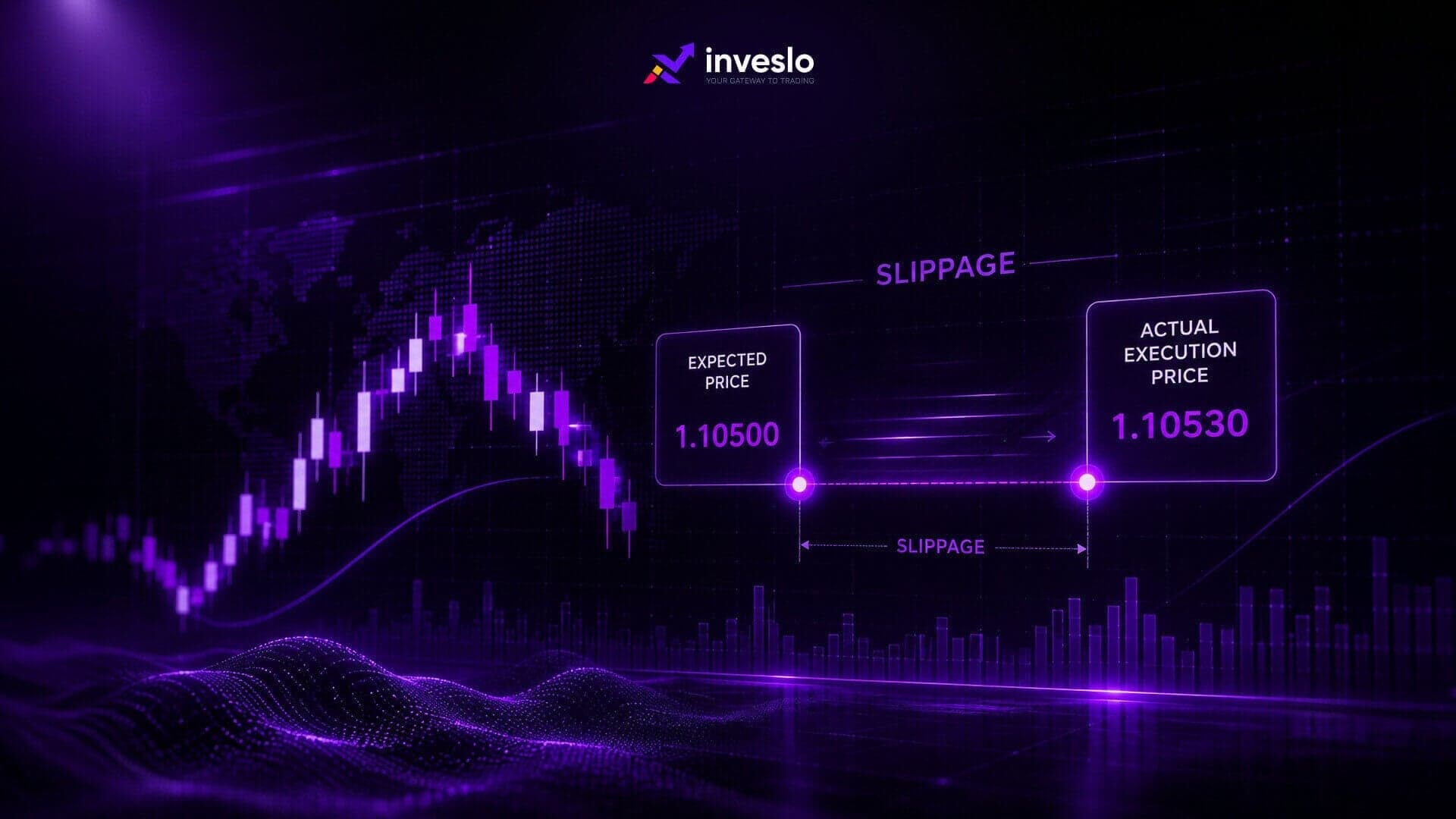
    Slippage in trading costs most retail traders more than they realise, and it's rarely discussed until after the damage is done. You place an order at one price, it fills at another, and suddenly your trade is already underwater before the market's moved a tick against you. It happens fast.

    Read More11 September 2026

Your next tradestarts here

Open your free account, verify in minutes, and trade the world's markets with a broker that's on your side.

Open Free AccountTry Free Demo

Trading involves risk. Manage capital wisely.

Footer

Your gateway to the world’s markets, giving you access to global trading opportunities with a fully regulated, award-winning broker trusted by over 1M traders worldwide.

Follow us:

  • Who we are
  • Deposits & Withdrawals
  • Partners
  • Risk Disclosure
  • Accounts Overview
  • CopyTrading
  • Privacy Policy
  • Refund Policy
  • AML Policy
  • Contact Us
  • Client Agreement

Disclaimer

  • →Regulated by FSC Mauritius

    Inveslo Limited, registered in Mauritius with registration number C230595 and office at C/o Legacy Capital Ltd. Second Floor, Suite 201, The Catalyst Ebene, is regulated by the Financial Services Commission of the Republic of Mauritius. Holding an Investment Dealer License, GB25205645, Inveslo adheres to strict regulatory standards, ensuring client protection, transparency, and a secure trading environment worldwide.

  • →Kazakhstan Regulatory Accreditation

    Inveslo Trading Ltd. is incorporated in the Republic of Kazakhstan with Business Identification Number 210540039066 and has been registered as Financial Services Provider with the Ministry of Economy. The company is entitled to provide the following services to customers within and outside the Republic of Kazakhstan according to the accreditation issued by the Agency for Regulation and Development of the Financial Market of the Republic of Kazakhstan, dated 13-07-2021 and file number 16-8-09/3T-C-167: Payment Processing / e-wallets, Forex Services and Crypto Currency Services.

  • →Financial Commission Membership

    Inveslo is a member of The Financial Commission, an independent external dispute resolution (EDR) organization, allowing the company and its customers a wide range of services and membership benefits including customer protection in case of disputes, up to €20,000 per case. As a FinCom certified broker, our customers are insured for the safety of funds.

  • →Risk Warning

    Trading forex and other financial instruments involve a high level of risk and may not be suitable for all investors or traders. Traders must carefully consider their trading objectives, financial situation, risk appetite, and level of experience before stepping into margin trading with Inveslo. There a risk of losing more than the trader’s initial investment. The higher the leverage, the more the risk, which can go against you. Traders are advised to be aware of the associated risks.

  • →Intellectual Property Rights

    Any kind of unauthorized publication, duplication, or quotation from the Inveslo website, without prior consent from Inveslo, will be constituted as a violation of intellectual property rights and will be subject to litigation. This includes any unauthorized use of the brand name, logos, images, agreement, etc.

  • →Crucial Insights

    All the information on this website is solely for educational purposes and is subject to change at any given time without any prior notice. The contents mentioned on the website do not constitute investment or trading advice. Inveslo has taken measures to ensure the accuracy of the information provided on this website, however, does not guarantee it. Inveslo is not, in any way, liable for the losses that might occur directly or indirectly from the reliance on or the usage of the website’s contents.

  • →Restricted Regions

    The information in this content is not intended to be provided to residents of the USA, Canada, Haiti, Suriname, North Korea, Puerto Rico and is not intended to be distributed or used by anyone in any country or jurisdiction area, as in the country or jurisdiction.

  • →Payment Agent

    CXDT Global LTD (Cyprus), with registration number HE448937, registered office at Aiolou & Panagioti Diomidous 9 Katholiki, 3020 Limassol, Cyprus, is the payment agent processing on behalf of Inveslo Trading LTD with Business Identification Number 210540039066.

  • REGULATED & TRUSTED
  • FSC Mauritius
  • The Financial Commission
  • Negative-Balance Protection
  • Segregated Funds

Risk Warning: Trading Forex and CFDs carries a high level of risk to your capital and may not be suitable for all investors. Leverage can work against you as well as for you. Before trading, ensure you fully understand the risks involved.

© 2026 Inveslo.com - All Rights Reserved

Language

  • English
  • Español
  • Português
  • فارسی
  • Tiếng Việt