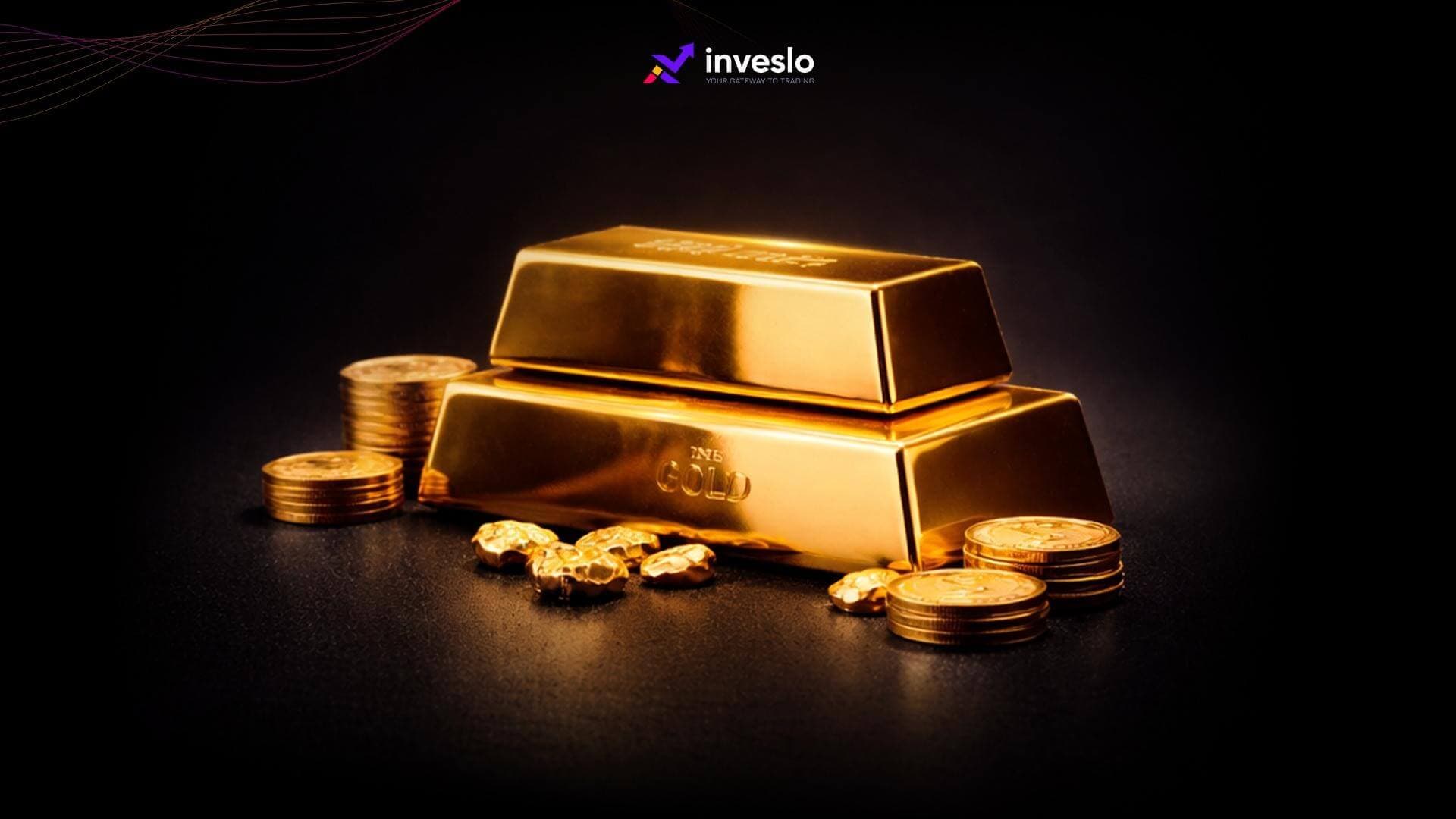
Gold markets after a strong rally over the last couple of years are now 2026 showing signs of exhaustion. The prices that appeared as if they might keep increasing infinitely are being resisted now and the traders as well as the investors are left wondering what will happen next. Is this a simple pause for a short time or the start of a deeper correction? Given the global economic uncertainty, changing trade relations, and monetary policies that are in the process of changing, the gold price rally is going through a turning point.
Figuring out the cause of the slowdown is a must for anyone in the Gold, commodities, or wider financial markets.
Gold Bulls Pause for a Well-Earned Rest
The recent steep rise in price for gold has driven some bullish traders to take a step back since they have experienced such large price increases. There were significant gains due to inflationary fears, geopolitical unrest, and a weakening US dollar but, as is typical with price movement, markets move in nonlinear patterns and even the strongest bull markets need to experience a period of consolidation prior to moving higher again.
The current pullback phase is primarily due to technical reasons related to the length of time gold was sustained above certain moving averages as well as an RSI that is considered overbought. Both of these technical signals would have indicated a pullback to occur at any time and, with some long-term holders closing their positions, new buyers are more cautious about purchasing at current levels.
This does not indicate the end of a bull market; it indicates that there is a temporary pause within a bull market since generally, commodity prices (including gold) will have periods of both upward movements followed by corrective movement before the next upward movement occurs. Additionally, the fundamentals that support the continued demand for safe haven assets (gold) are still intact and therefore we can expect to see additional price appreciation before this bull market is complete.
Rebound Hits Stumbling Block
Though gold has been making a move to recover, it might be encountering its resistance side. Actually, the circumstance of Rebound hits stumbling block is largely caused by the rise of yields and currency strengthening.
Since gold does not generate any returns, its allure diminishes once interest-bearing assets start to offer higher yields. Also, the strengthening of the currency indirectly affects the overall global demand. As a result, these two elements are establishing a temporary price trap for the gold market and hence there is no strong breakout to the upside.
Tariffs Hang in the Balance
The trade policy is still unknown for the gold market in 2026. The most recent round of tariff announcements from the current government has created large ripples in the global markets. Increased tariffs typically create upward pressure on inflation, which is positive for gold, but they also create uncertainty about the level of economic growth, which has a mixed effect.
When tariffs were initially announced, the market reacted by aggressively buying gold as a hedge against trade war-induced inflation. Now, with the negotiations continuing and some of the tariff threats being rolled back, the fear premium that drove the earlier purchase of gold is gone.
Truthfully, the tariff policy has not yet been settled. Any escalation of the current situation could result in a new phase of bullish momentum in the gold market, while any successful diplomatic resolution would remove a primary source of support for gold.
Is There a Tariff Backup Plan?
Markets are also questioning if there is a clear alternative strategy behind the current trade measures. The worry about "Is there a tariff plan B? " contributes to the overall market uncertainty.
If well-planned economic strategies are implemented, gold could experience a decline. However, ongoing trade wars might lead to higher gold consumption. Such uncertainty continues to keep traders on their toes and discourages them from making bold moves.
Fed’s Headaches May Not End with Policy Shifts
The gold price is influenced largely by the Central Bank of America (Fed) and other Central Banks with ongoing issues related to managing inflation and growth at the same time.
Although there are ongoing policy changes to help stabilize the economy, the balance between stabilizing the economy and controlling inflation is going to be an ongoing challenge. A higher interest rate will generally reduce gold demand but there is uncertainty in the economy that should also increase gold demand; therefore, this mixed economic view is one reason why we are currently seeing the market quiet down.
The Fed Balance Sheet Question
One of the major, although often overlooked, risks for gold relates to the direction of the Fed's balance sheet. The newly appointed Fed officials seem to support aggressive quantitative tightening, which involves the selling of the Fed's bond holdings including Treasuries and mortgage-backed securities. If done quite sharply, it can take out the liquidity of the financial system, still the dollar, and heavily influence the gold price negatively. Nevertheless, it is highly challenging to carry out a drastic balance sheet reduction without a credit event or a recession happening.
The markets are pretty well aware of this. So, if the Fed gives in and pauses or even reverses quantitative tightening because of the financial turmoil, then the dollar may experience a substantial weakening, and the gold price would most likely jump quite significantly in reaction to this. This balance sheet issue is much more than just a policy debate based on technicalities. It is a very important factor for anyone who is managing a risk management strategy which features gold exposure.
Bearish Risks Ahead
Although gold has a lot going for it as a long term investment, it is also facing many short term “Bearish Risks” including:
- Strengthening global currencies
- Raising real interest rates
- Decrease in geopolitical risk
- Decrease in institutional buying
If any of these circumstances persist, gold will likely remain under downward pressure.
An Unlikely Warmonger in the Room
Gold has always been well protected from exposure to geopolitical risks. Wars, economic sanctions and military threats are among the factors that make investors choose safe-haven assets. Despite occasional talks of a peace agreement and diplomatic efforts, the global geopolitical situation is still quite tense and no permanent resolutions are visible. Disturbances in the major petroleum producing regions continue to be one of the grounds why the forecast of energy and commodities including crude oil and gold is very dim. Moreover, trade wars between leading world countries on shipping lanes, mineral rights, and economic supremacy remain unresolved. The implication is that new as well as long-standing wars don't seem to have an end date.
The tension causes all of these sources of stress and in fact, this is exactly the reason for gold's momentary pause when investors are indeed catching their breath by looking at the media narrative. It is just temporary softening or pullback. Whenever these risks remain present, gold will have a base level of geopolitical demand that will serve as a limit to how far even a short-term price decline could go.
De-Dollarization is Good for Gold
On the upside, De-dollarization is good for gold and still stands as a potent long-term factor behind the bull run.
As financial systems steadily diversify away from dependence on a single dominant currency, gold is becoming more and more important as a reserve asset. Central banks and institutions are augmenting their gold stocks in order to lessen their dependence on the traditional systems.
Besides that, this change corresponds to the developments in the cryptocurrency markets, where investors seek alternative stores of value and diversification.
Some Unwelcome Attention
Gold's record-breaking prices in 2025 attracted some unwelcome attention from policymakers and regulators around the world. Governments in several markets began discussing windfall taxes on mining profits. Regulatory scrutiny of gold-backed financial products increased across multiple jurisdictions. In some regions, capital controls made it harder to move gold freely across borders.
This kind of policy friction is real and should not be dismissed. It adds costs to the gold ecosystem and can suppress investment demand in affected regions. For investors accessing gold through ETFs, futures, or physical holdings, understanding the regulatory environment in their jurisdiction is a critical and often overlooked part of any serious risk management strategy. Staying ahead of policy changes is just as important as tracking price charts.
Final Thoughts
It is more likely that gold's cooling in 2026 will be a temporary pause rather than a complete change of direction. The fundamental reasons for gold's strength are still very much valid and are primarily due to factors such as the de-dollarization, geopolitical risks, and a complex central bank policy environment. Although short-term factors such as improved risk sentiment, dollar strengthening, and tariff frictions are indeed causing headwinds, they appear to be of a temporary nature. Regardless of whether you are trading gold directly, managing your exposure through ETFs, or using gold as a hedge in a broader portfolio that includes crude oil, equities, or cryptocurrency trading positions, being well-informed and maintaining discipline are absolutely essential.
In fact, it takes more than just following the headlines to be able to navigate the markets like these. It actually takes a well thought out risk management strategy along with access to live market analysis from seasoned professionals who are well versed in understanding how all these macroeconomic elements fit together. See what we can do for you!
Whether you want to make better decisions when trading in gold or any other market, we at Inveslo (a trustworthy and regulated forex broker) are here to assist you. Our team is ready to help you create a strategy that suits any market situation. Contact us today and elevate your trading game.
Frequently Asked Questions
1. Why is gold slowing down in 2026?
Gold is being slowed down by profit booking, high currency and increasing interest rates.
2. Is this a correction or reversal?
It is now taking the form of a temporary correction phase.
3. How do tariffs impact gold?
They add confusion, making gold a safe-haven asset.
4. Can gold reach $6,000 in 2026?
Without very economic or financial circumstances.
5. Is gold still a good investment?
Yes, it still is a great inflation, uncertainty hedge.
6. What should traders do now?
Concentrate on the risk management strategy and diversify the investment.
Related articles
 CommoditiesInveslo
What are Soft Commodities & How can You Trade Them?
Soft commodities are a vital component of the global financial and trading system; however, many traders overlook their value.
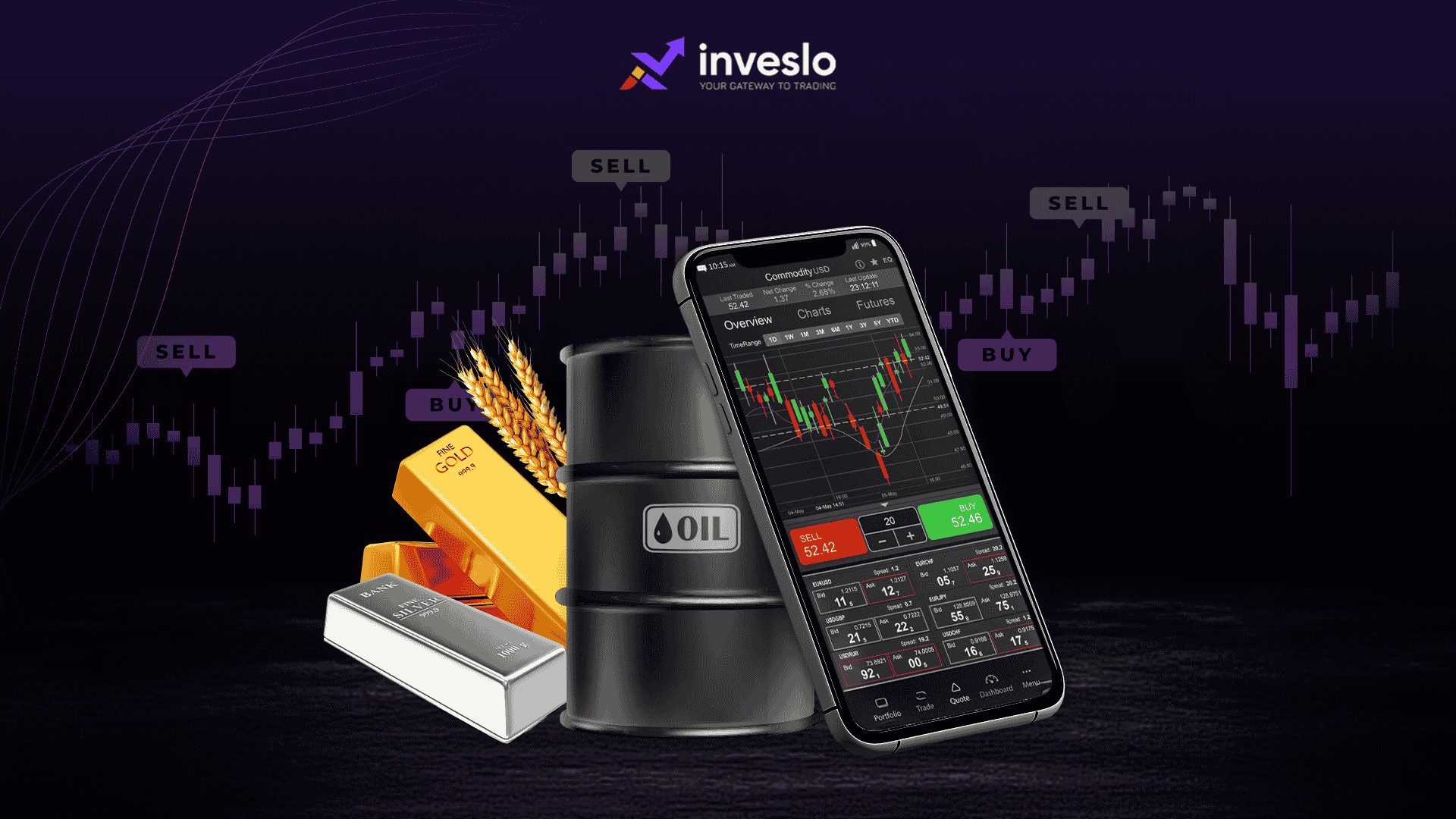 CommoditiesInveslo
What is Commodity Trading in India? Strategies, Risks & Tips
Trading in commodities in India has turned into a quite advanced method for investors to diversify their investments besides the traditional stocks. One buys and sells raw materials such as gold, crude oil, cotton, etc., on the exchanges in the commodity market.
 CommoditiesInveslo
How to Trade Gold Profitably in 2026
Gold has remained one of the most secure assets for traders and investors all over the world. Owing to the trends that we will encounter in the year 2026, it will become more important to know how precious metals trading works.