
Introduction
Forex, also known as FX, Foreign Exchange, or currency trading, is a name given to the global, decentralized market for exchanging currency pairs.
The Forex market is the vast and most liquid market in the world. According to a report submitted by the Bank for International Settlements (a global fiscal bank for national central banks), approximately $6.6 trillion of transactions will be made across the globe in forex trading in April 2019.
History of Forex at a glance
The entire history of Forex can be concluded within ten historic developments of the economy.
- During the 6th century, the first gold coin was created.
- In 1819, England formally adopted the gold standard.
- In 1834, America switched to the gold standard from the bimetallic standard.
- In 1870, major countries like France, Germany, and Japan joined the gold standard.
- In 1914 & 1939, the gold standard dissolved again leading to the Bretton woods system.
- In 1979, the Smithsonian agreement and the European Joint Float system collapsed.
- In 1985, the Finance minister of major superpowers such as France, Germany, Japan, the US, UK made an agreement to depreciate the US dollar
- In 1992, the Maastricht treaty paved the way to the formation of the Eurozone and Euro.
- In 1996, the first online retail brokers opened.
- Today, the total volume of Forex trading is approximately $2.409 quadrillion dollars.
What is Forex?
Forex is a word that is short for Foreign Exchange. It is the most common way of referring to the global foreign currency market. There are several other ways of referring to this market like FX, Foreign Exchange, and currency markets. Forex is a global, decentralized marketplace where individuals and companies can buy and sell foreign currencies, exchanging one for another.
This usually takes place through a Forex broker, as individuals cannot gain access to the markets on their own. Anyone can speculate on foreign currencies, provided that they subscribe to access to the market through a brokerage platform. There are now many Forex brokers to make investing money far easier than it has been before. The International Organisation for Standardisation (ISO) has determined standard abbreviations for currencies.
How are currencies traded?
The idea is more or less the same as buying stocks.
You buy a share of a company if you think the company is doing well and its share will increase in value.
In FX, instead of buying shares of companies, you buy “shares” of countries with the same logic, i.e. currencies.
If you believe that the economy of a specific country is doing well, you expect its currency to appreciate, and therefore, you buy it.
When you buy American shares, you use dollars. When you buy European equities, you use euros. You need money to buy something, even stocks.
How do you buy money?
Again with money of course. You can buy euros with pounds, dollars with yens, yens with Australian dollars from a good Forex trading platform.
You’ve probably done an FX transaction yourself when you’ve been to a country that uses a different currency than your country.
Steps to start Forex Trading
To make the first trade, a beginner can follow these fundamental steps:
Step 1: Choose a broker and download the meta trader, a platform to execute trading activities from their downloads.
Step 2: Verify your profile by providing all the necessary documents including a PAN card, driving license, or utility bills.
Step 3: Open a live trading account through the traders’ room as it is mandatory to have a trading account to start trading forex.
Step 4: Research and analyze the whole fundamental information about a currency pair. Check regularly the current charts and historical charts and monitor the news for economic developments.
Step 5: Deposit funds into your live trading account as it is necessary to have funds before you open a position.
Now, a trader is all set to enter the market. Select your currency pair and start trading.
Fact Check with Inveslo
Before you get started trading on the Foreign Exchange market on Inveslo, there are a few things you should know:
The majority of Forex trades take place in the spot market, where trades happen at current prices and in real-time.
Forex trading for beginners can be practiced via a forex demo account where you create strategies and test them yourself.
Takeaway
Since there is no limit to trading Forex, one can learn various trading styles through proper education and research. Avoid common trading blunders to make more profitable trades. Understand the market forces through news releases, daily market analysis, and prediction.
One can also follow the strategy of expert traders via Copy Trading as their techniques are tried and tested successfully. Moreover, their in-depth insights and experience are also valuable to execute successful trades.
Related articles
 ForexInveslo
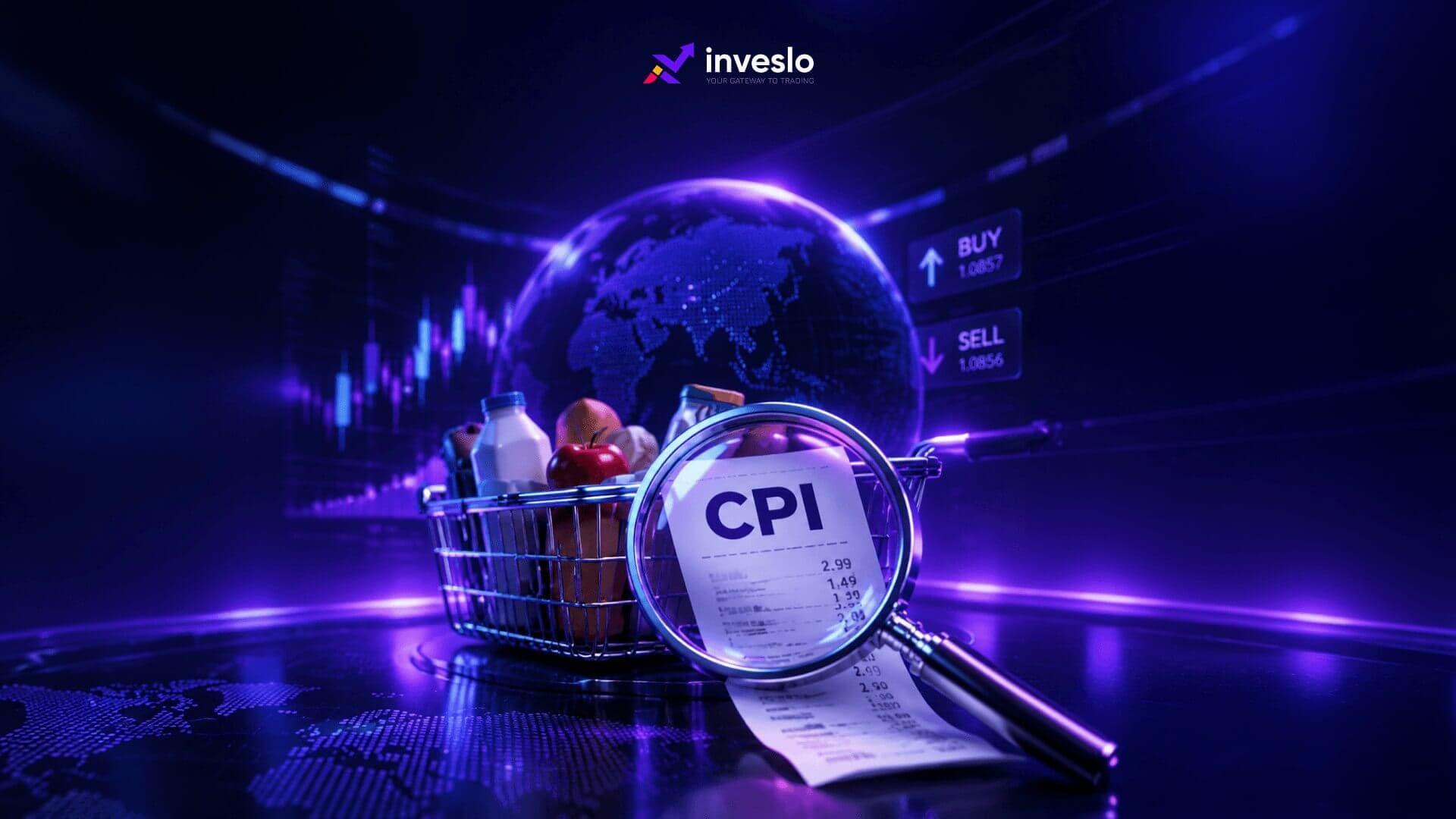
What is the Consumer Price Index (CPI)?
The Consumer Price Index (CPI) tracks the average change over time in prices consumers pay for a representative basket of goods and services. It is one of the main measures used to monitor consumer inflation.
 ForexInveslo
What is a Trading Journal & How Do Traders Use It?
A trader can remember a big winner for months and forget three poorly planned trades from the same week. That is one reason relying on memory makes trade review difficult.
 ForexInveslo
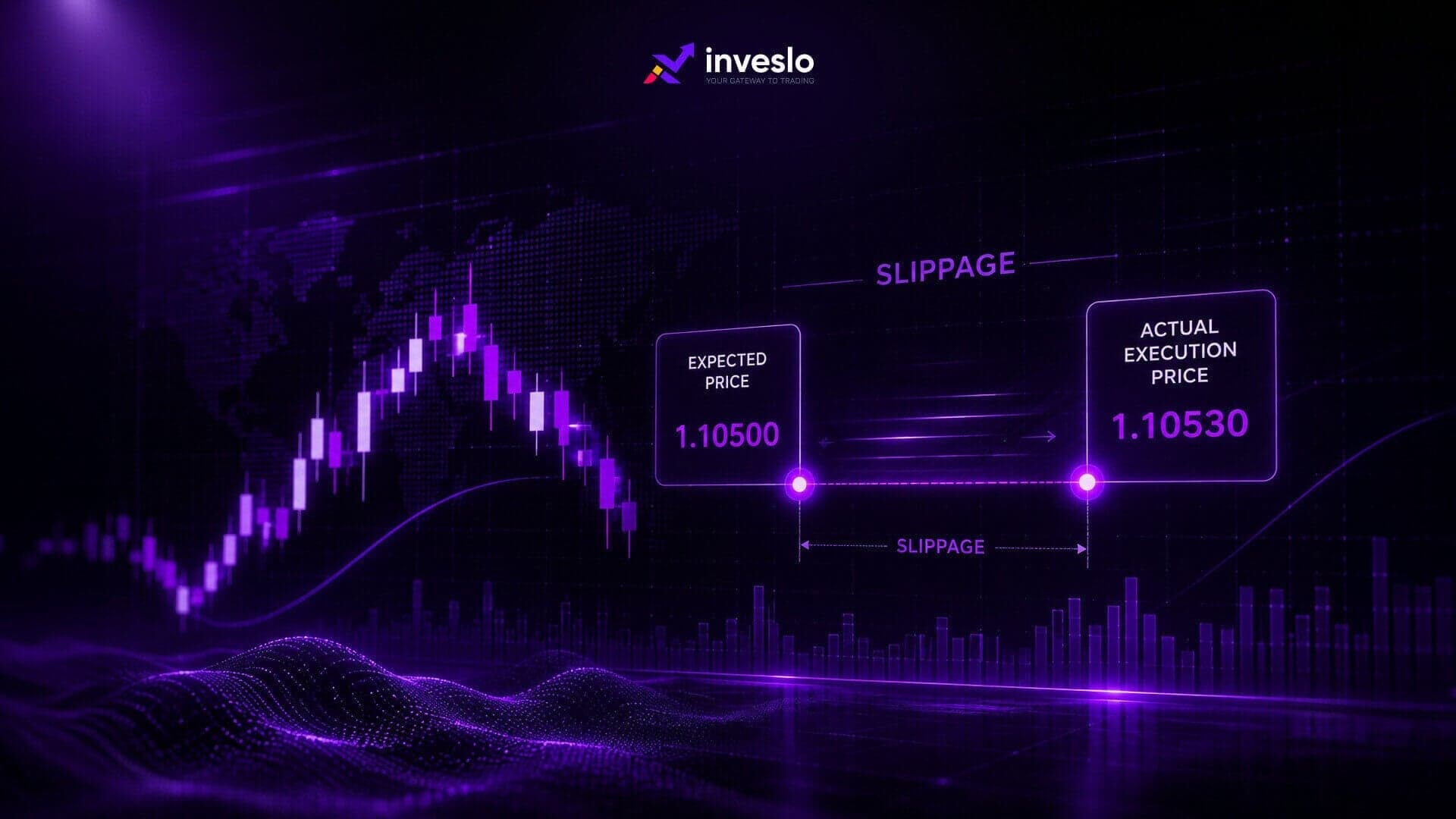
Slippage in Trading: What it is and How to Reduce it?
Slippage in trading costs most retail traders more than they realise, and it's rarely discussed until after the damage is done. You place an order at one price, it fills at another, and suddenly your trade is already underwater before the market's moved a tick against you. It happens fast.