What Is a Margin Call and Stop-Out Level? A Beginner's Safety Guide
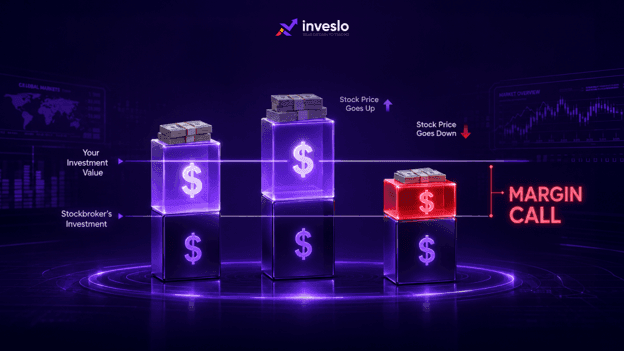
A margin call happens when your account equity drops too low to support your open positions, and your broker sends an alert demanding you act before automatic position closures begin. If you don't act, a stop-out follows, where your broker begins closing your positions automatically without your approval. Understanding how margin calls and stop-out levels work together can protect your account from losses you didn't see coming.
Table of Contents
- What Is a Margin Call in Forex?
- How Margin Works Before a Call Happens
- What Is a Stop-Out Level?
- Margin Call vs Stop-Out: Key Differences
- How to Avoid a Margin Call
- The Bottom Line
- FAQ
Most traders don't learn what a margin call is until they've already received one. By then, the damage is done. Understanding what triggers a margin call, and how the stop-out level operates behind it, can protect your account from the kind of loss you genuinely didn't see coming. Read this before the market moves against you, not after.
What Is a Margin Call in Forex?
A margin call is a warning from your broker that your account equity has fallen too low to support your open positions. Think of it like a landlord knocking because your security deposit has eroded: top it up, or the arrangement ends.
In forex trading, when you open a trade using leverage, your broker requires a minimum amount of funds in your account at all times. That minimum is called the required margin. When losses eat into that buffer and your account equity drops below a set threshold, the margin call arrives.
At this point, your broker isn't closing your trades yet. It's alerting you to act: deposit more funds or reduce your exposure by closing some positions. Ignore it, and the next step is automatic.
How Margin Works Before a Call Happens
To understand why margin calls happen, you need to understand how margin itself actually works. It's not a fee. Not a penalty.
Margin is a good-faith deposit, a portion of your capital that your broker sets aside to cover potential losses on an open trade. Here is how the key terms fit together:
- Used margin: the total funds currently locked up across all your open positions
- Free margin: the remaining funds available to open new trades or absorb losses
- Equity: your account balance plus or minus any unrealised profit or loss
- Margin level: expressed as a percentage, calculated as (Equity / Used Margin) x 100
Suppose you deposit $1,000 and open a trade requiring $200 in margin. Your used margin is $200. If the trade moves against you and your equity drops to $250, your margin level is ($250 / $200) x 100 = 125%. Still above most brokers' margin call thresholds, but getting uncomfortably close
What Is a Stop-Out Level?
If the margin call is the warning, the stop-out level is what happens when you don't act on it.
The stop-out level is a lower threshold, also expressed as a margin level percentage, at which your broker begins automatically closing your open positions. You don't approve this. It happens without your input, usually within seconds.
Brokers close positions one at a time, starting with the largest losing trade, until your margin level recovers above the stop-out threshold. The goal is to prevent your account from going into negative equity, a situation where you'd owe your broker money beyond what you deposited.
A typical industry setup looks like this:
- Margin call level: 100% (your broker alerts you)
- Stop-out level: 50% (your broker starts closing trades automatically)
So if your margin level falls from 100% to 50%, positions get liquidated. Some brokers set these levels quite differently, and that gap matters. A broker with a stop-out level of 20% gives you more room to recover before liquidation begins, but your losses will be considerably deeper by the time it triggers. Neither setup is obviously better. It depends on how you trade and how much buffer you want.
Margin Call vs Stop-Out: Key Differences
These two concepts are related, but they're not the same thing, and confusing them is a common beginner mistake.
|
Feature |
Margin Call |
Stop-Out Level |
|
What triggers it |
Equity falls below margin call % |
Equity falls below stop-out % |
|
Your broker's action |
Sends an alert or notification |
Automatically closes positions |
|
Do you control it? |
Yes, you can act before closure |
No, it is automatic |
|
Typical threshold |
80%–100% margin level |
20%–50% margin level |
|
Purpose |
Warning to add funds or reduce risk |
Emergency liquidation to limit losses |
The distinction matters practically. A margin call gives you a window to respond. The stop-out level removes that choice entirely, and the clock between them can be very short in fast-moving markets. Some platforms, including Inveslo, display your real-time margin level prominently within the trading interface, which helps you monitor how close you are to either threshold without having to calculate it manually.
How to Avoid a Margin Call
Avoiding a margin call comes down to three habits that experienced traders build early, often because they've been burned before.
1. Use lower leverage than your broker allows. Just because 30:1 leverage is available doesn't mean you should use it. Many professional traders operate at 5:1 or 10:1, keeping their margin level well above danger thresholds even during volatile periods. Retail traders who mirror that discipline tend to last considerably longer.
2. Set a stop-loss on every trade. A stop-loss is an instruction to automatically close your trade if the price reaches a level you define in advance, capping how much that position can lose. It doesn't guarantee execution at exactly that price in fast markets, but it's your first line of defence against runaway losses that can push you toward a margin call.
3. Never commit your entire account to open positions. Keep a meaningful amount of free margin available at all times. A common guideline is to never use more than 20% to 30% of your account balance as used margin simultaneously. This gives your equity room to absorb short-term moves without approaching the margin call threshold.
None of this eliminates risk. But it reduces the likelihood of a margin call turning into an unexpected stop-out that wipes a significant portion of your account before you've had a chance to react.
The Bottom Line
A margin call is not a punishment. It is a safety mechanism, and the stop-out level behind it exists to protect both you and your broker from uncontrolled losses. The problem is that most beginners encounter these concepts reactively, after the call has already arrived.
- Margin call: a broker alert that your equity is too low; you still have time to act
- Stop-out level: automatic position closure once equity falls below the stop-out threshold; no action required from you
- Leverage discipline: using less leverage than allowed is the single most effective way to keep your margin level healthy
- Free margin: always keep enough in your account to absorb normal price movement without triggering a call
Before you place your next leveraged trade, check your broker's specific margin call and stop-out levels. Knowing those numbers in advance is the kind of preparation that separates traders who stay in the game from those who don't.
FAQ
What triggers a margin call in forex?
A margin call is triggered when your account equity falls below your broker's required margin call percentage, typically between 80% and 100% margin level. This happens when open positions move against you and your unrealised losses reduce your account equity significantly.
Is a margin call the same as a stop-out?
No. A margin call is a warning notification giving you the chance to add funds or close positions yourself. A stop-out occurs at a lower threshold and results in your broker automatically closing your positions. They are two separate triggers at different margin levels.
Can I lose more than I deposit in a forex margin call?
Under negative balance protection rules, your losses cannot exceed your account deposit. Your broker's stop-out mechanism and negative balance protection work together to prevent this.
How do I check my current margin level?
Your trading platform displays your margin level in real time, usually in the account summary or trade terminal panel. It is shown as a percentage. If it drops below 200%, start watching it closely. Below 100%, act immediately.
Related articles
 ForexInveslo
What is the Consumer Price Index (CPI)?
The Consumer Price Index (CPI) tracks the average change over time in prices consumers pay for a representative basket of goods and services. It is one of the main measures used to monitor consumer inflation.
 ForexInveslo
What is a Trading Journal & How Do Traders Use It?
A trader can remember a big winner for months and forget three poorly planned trades from the same week. That is one reason relying on memory makes trade review difficult.
 ForexInveslo
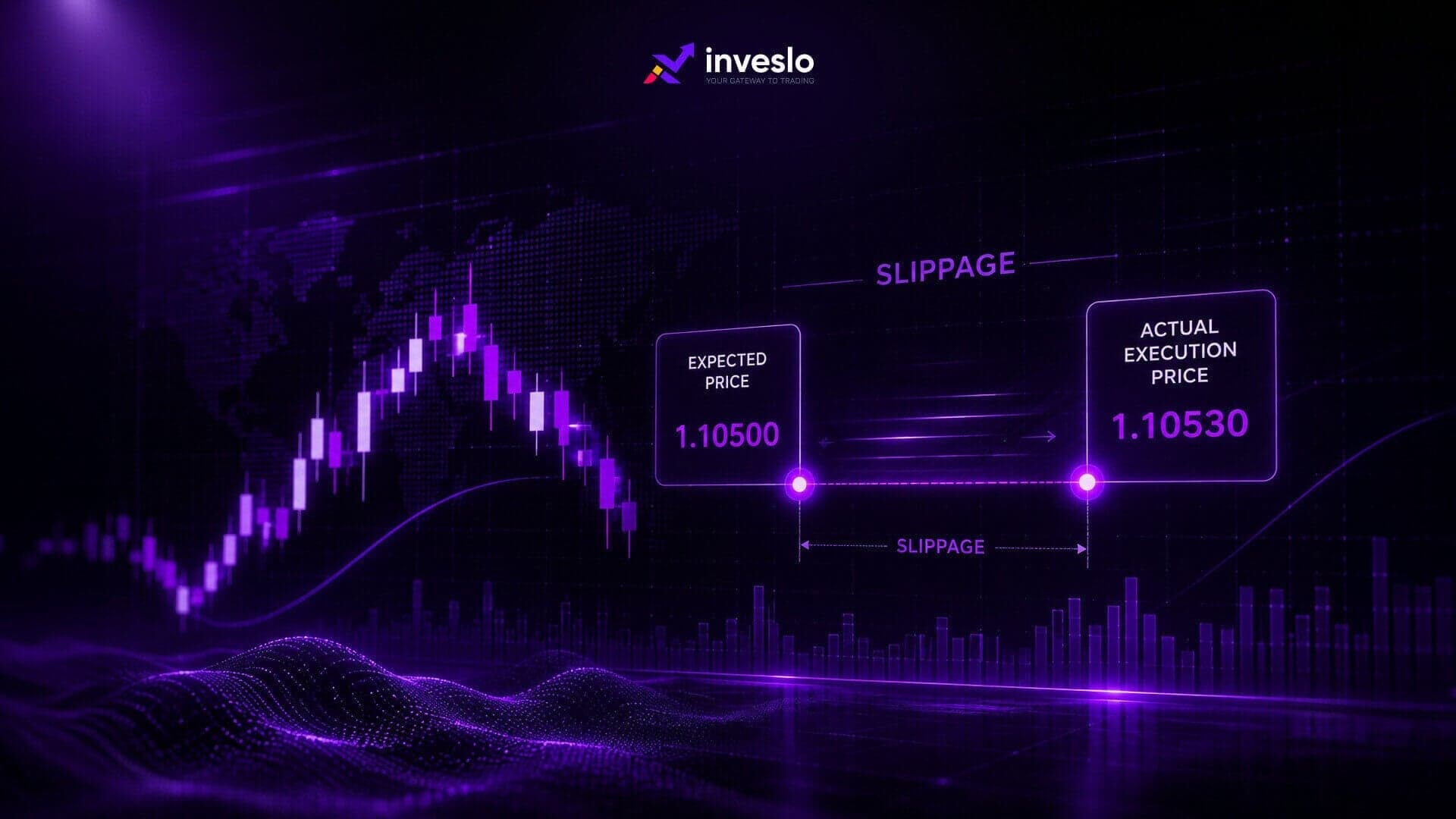
Slippage in Trading: What it is and How to Reduce it?
Slippage in trading costs most retail traders more than they realise, and it's rarely discussed until after the damage is done. You place an order at one price, it fills at another, and suddenly your trade is already underwater before the market's moved a tick against you. It happens fast.